

News
HOW HAS THANKSGIVING BECOME PART OF ARMENIAN AMERICAN LIFE?

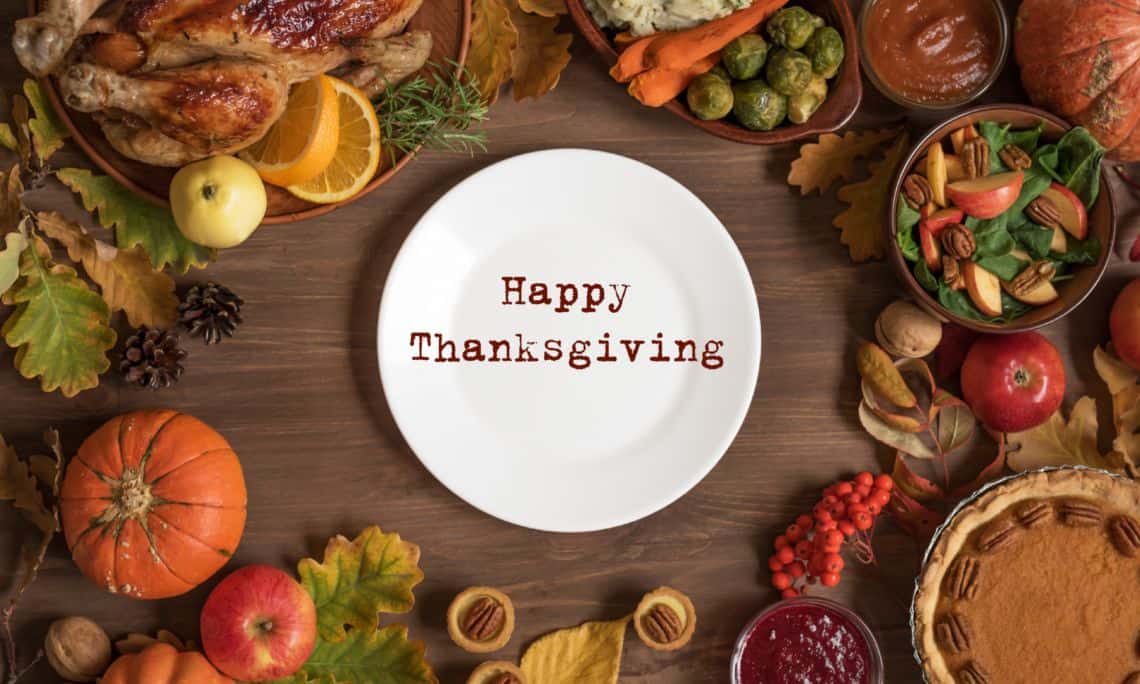
The holiday season has begun in full swing with Thanksgiving, that uniquely American holiday which brings together families from all backgrounds across the United States. Armenian American faithful have seamlessly integrated the celebration of Thanksgiving into their lives. This makes it a singular case in which a non-Armenian festivity does not appear to pose uncomfortable questions about proper observance for members of the Armenian Church, which follows a liturgical calendar that does not always coincide with those of majority religious groups in the host countries, notably that Armenian Christmas is celebrated on January 6 rather than on December 25, when most Christian churches mark it.
Yet Thanksgiving doesn’t pose any dilemmas. It commemorates the 1621 harvest feast shared by the pilgrims of Plymouth, in what is now Massachusetts, and the Wampanoag people. In that sense, its historical roots are a celebration of what makes the United States what it is today—a country that renews itself with those who arrive every year from all corners of the world making it a truly blessed land, one that builds on the hospitality shown by Native Americans to the English pilgrims. It’s a celebration of all Americans, old and new, those born on this soil and those who have chosen to become Americans. Very often, this is quite literal around tables across the United States, where families and friends from very different backgrounds share a meal on the fourth Thursday of November.
The second, perhaps deeper, reason why Thanksgiving comes so naturally for Armenian Americans and Christians in general to observe is that it goes to the heart of what our faith is and how we celebrate it every Sunday. Quite literally, we have been reenacting Christ’s Last Supper for more than 1,700 years in our Divine Liturgy, during which we take the Eucharist, or Holy Communion, becoming one with our Lord. Eucharist comes from the Greek word eucharistia, which means “thanksgiving.” This means that we partake in a Thanksgiving ceremony every Sunday during the Divine Liturgy. The holiday we marked last week across the country echoes the thanksgiving prayers we offer in church.