

News
Birth of Ashot Satian (January 18, 1906)

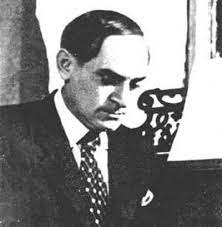
Ashot Satian was the founder of a dynasty of musicians that included his brother Aram Satunts or Satian (1913-1990), his nephew Aram Satian (b. 1947), and his grand-nephew David (b. 1979).
He was born on January 18, 1906, in the city of Merv (nowadays Mari, in Turkmenistan). Later, the family moved to Baku, where Satian joined the Red Army. From 1921 to 1926, he was brass band musician and then band leader. He studied at the Hayartun (Armenian Culture House) music studio of Baku in 1926-1930. He moved to Yerevan in 1930, where he headed the music department in the Gabriel Sundukian Theater until 1939. In the meantime, in 1936 he had graduated from the composition and conducting departments at the Komitas State Conservatory. From 1939 to 1947, he was the head of the music department of the Haikino film studio. In 1947, he was elected chairman of the board of the Composers Union of Armenia and held this position until 1942.
He composed many songs, of which the most famous are “Song of the Warrior” (“Մարտիկի երգը,” known by its first line, “Թռչէի մտքով տուն…”—“If only I could fly home in my thoughts…”), with lyrics by Gegham Sarian, and “I Love My Sweet Armenia” (“Ես իմ անուշ Հայաստանի…”), set to the celebrated poem by Yeghishe Charents. Ashot Satian’s work focused on integrating Armenian monodic music into modern genres. His vocal-symphonic series Ararat Valley Songs (1950) earned the USSR State Prize in 1952 and exemplified his ability to evoke the landscapes and folklore of Armenia through orchestral accompaniment and choral elements. He also composed music for over a dozen films, including Hamo Bek-Nazarian’s “Davit Bek” (1944), and numerous theater productions like The Marriage of Figaro (1933).
Ashot Satian was decorated with the Badge of Honor in 1939 and the Order of the Red Banner of Labor in 1956. He earned the title of Emeritus Art Worker of Armenia in 1947. He passed away on September 30, 1958, in Yerevan.