

News
HALLOWED BE THY NAME

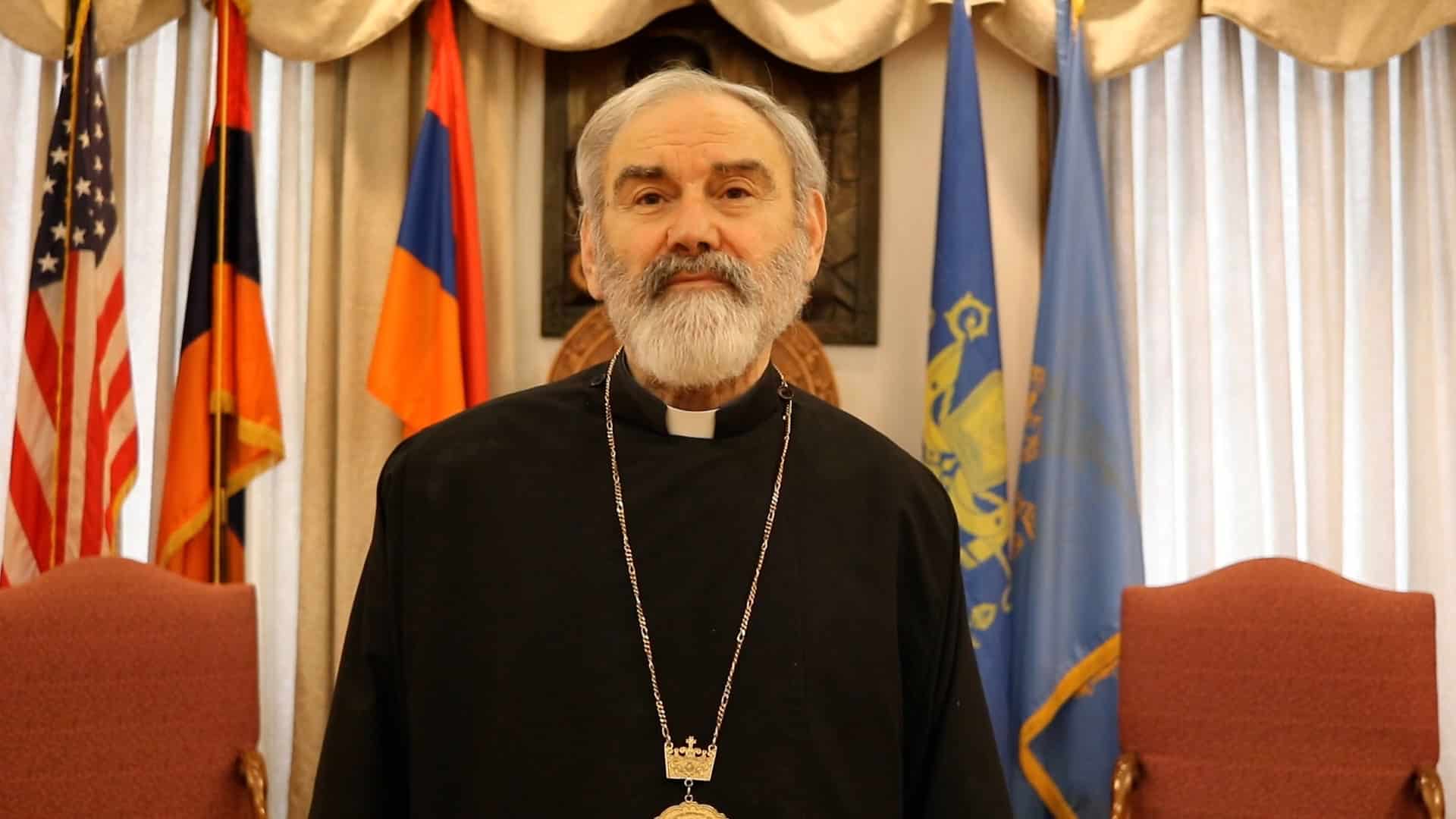
As we continue our reflection on the Lord’s prayer during the second week of the Great Lent, we say:
Hallowed be Thy name. Holiness is one of the most fundamental attributes of God’s essence, defining all the others, generally known as one thousand and one attributes. As such, we say God’s Love is holy, God’s name is holy, God’s Word is holy, God’s wrath is holy, and so on, with a clear understanding that it is completely pure, in biblical terms, that “God is light and in him there is no darkness at all” (1 Jn 1:5).
With this understanding, anchored in the Holy Wisdom of God, let us explore the message of the second sentence of the Lord’s prayer.
Hallowed be Thy Name – Let your name be holy:
The first reference to God’s name as Holy is recorded in Isaiah: “For thus says the High and Lofty One who inhabits eternity whose name is Holy” (Is 57:15). Also from Isaiah, we learn that the Seraphs are consistently praising the Lord, singing “Holy, Holy, Holy” (Is 6:3). This is a well-known phrase which we sing during the Divine Liturgy.
Now a question may arise. If God’s name is eternally holy, then why do we need to pray “Let your name be holy”? Since we have been created in the image of God and were commissioned to be His stewards, even co-workers, then this request opens a dimension of responsibility as the carriers of God’s image. To understand the essence of this verse we should be familiar with the Old Testament where God always reminds His chosen people that their misbehavior caused the Gentiles to despise His name (Is 52:5).
I believe that all of us, as humans, encounter the same situation. When a child misbehaves, the fault is blamed on the parents. Therefore, as God’s Family members, our conduct, behavior, words, and deeds, let God’s name be sanctified not only by us, but through us to all those who do not truly experience His Divine Parental love.
Thy Kingdom Come:
This request does not refer to a one-time event. Jesus solemnly announces at the beginning of His earthly ministry “the Kingdom is at hand” (Mk 1:15), thus referring to a fundamental truth that the incarnate King of Kings dwells among us (Jn 1:14). Believers through all ages, as His ambassadors who fulfill their duty to spread the good news of this Kingdom in action, always look forward to the completion of the Divine plan on earth to be continued eternally in the Kingdom of heaven.
Because the human mind is very inquisitive, we may ask: When will the Kingdom come in its final phase? Our Lord clearly replies that “about that day and hour no one knows, neither the angels of heaven, nor the Son, but only the Father.” (Mt 24:36; Mk 13:32). Over the centuries, many people have been tempted to be omniscient in this regard, by making calculations and declaring the year, month, and even the day of the Coming. But this exercise is secondary to the imperative which our Lord emphasizes that we must be prepared and ever vigilant because the Kingdom will come when we least expect it: “Beware, keep alert, for you do not know when the time will come” (Mk 13:33).
Therefore, my dear brothers and sisters, let us use this life, the only opportunity granted to us to fulfill our mission, humbly and entrusting everything to our Heavenly Father who has prepared for His faithful children the very best, beyond our comprehension and imagination. As St. Paul says: “No eye has seen, no ear has heard, and no mind has imagined what God has prepared for those who love Him” (1 Cor 2:9).