
News
“THE VERY FUTURE OF CHRISTIANITY IS AT STAKE IN ITS BIRTHPLACE”: CATHOLICOS ARAM I

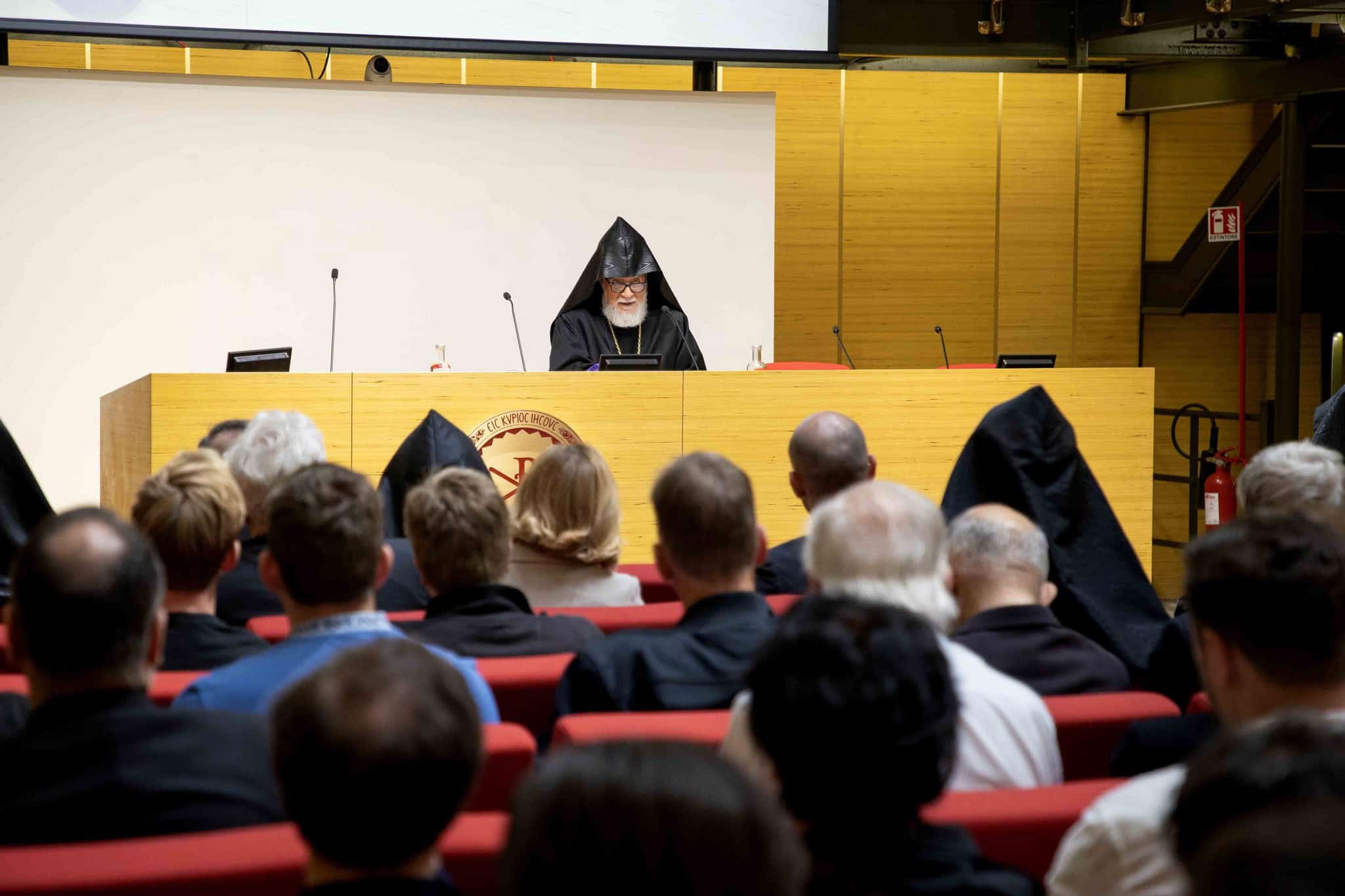
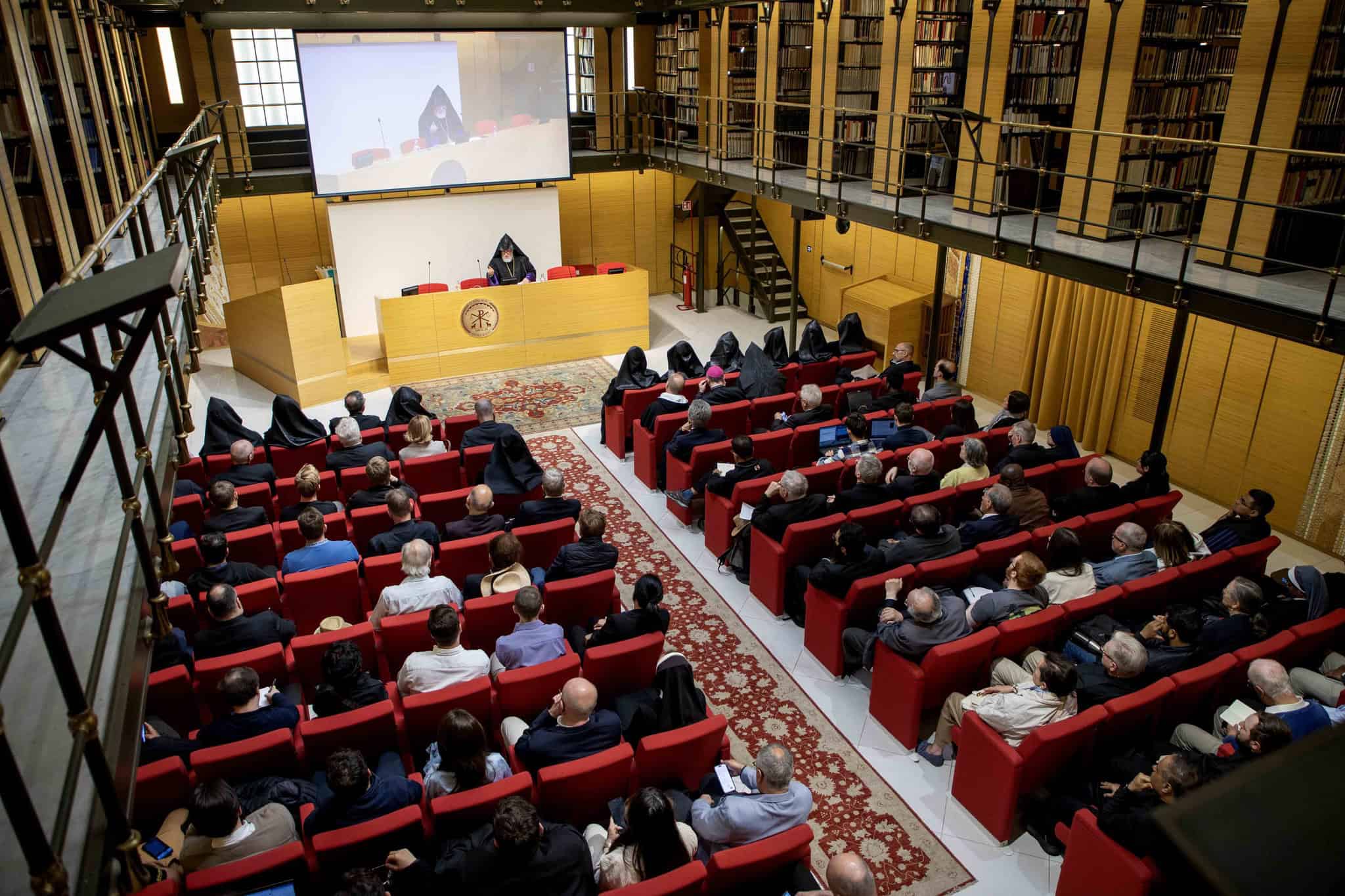
On May 19, 2026, in a public lecture at the Pontifical Oriental Institute in Rome, His Holiness Catholicos Aram I said that “Christian communities in the Middle East are increasingly becoming shrinking minorities.” An “objective assessment of the current situation,” he added, “clearly indicates that the very future of Christianity is at stake in its birthplace.”
He challenged the conviction prevalent in some Western circles that Christians are universally persecuted in the Middle East. At the same time, he acknowledged that in certain countries, Christians sometimes face discrimination, often related to the surge of Muslim fundamentalism.
The Catholicos said that Christians aspire to see the values of equal citizenship continuously strengthened in practice, so that all citizens—regardless of religious affiliation—may fully enjoy the same rights, responsibilities, opportunities, and sense of belonging within their societies.
“While many states in the region draw inspiration from Islamic traditions and values, they also possess civic and constitutional frameworks that can ensure inclusivity and equal participation,” His Holiness said. “Within this context, constructive arrangements can be developed to safeguard the religious, educational, cultural, and legal distinctiveness of Christian communities, while also strengthening national unity and social cohesion.”
He described the emigration of Christians as “an existential crisis,” noting that every crisis—whether economic, security-related, or political—has led to large outflows of Christians and, consequently, a sharp decline in the Christian presence.
His Holiness stressed the imperative of “a common strategy” with “a common vision” for Christianity in the Middle East. Within this perspective, he identified seven areas of reflection and action:
- Strong attachment to the homeland;
2. Rebuilding community life;
3. Fostering interaction between religious and national identities;
4. Overcoming the minority-majority complex;
5. Moving beyond dialogue to engagement;
6. Transitioning from observers to active participants;
7. Shifting from self-protective concern to proactive involvement.
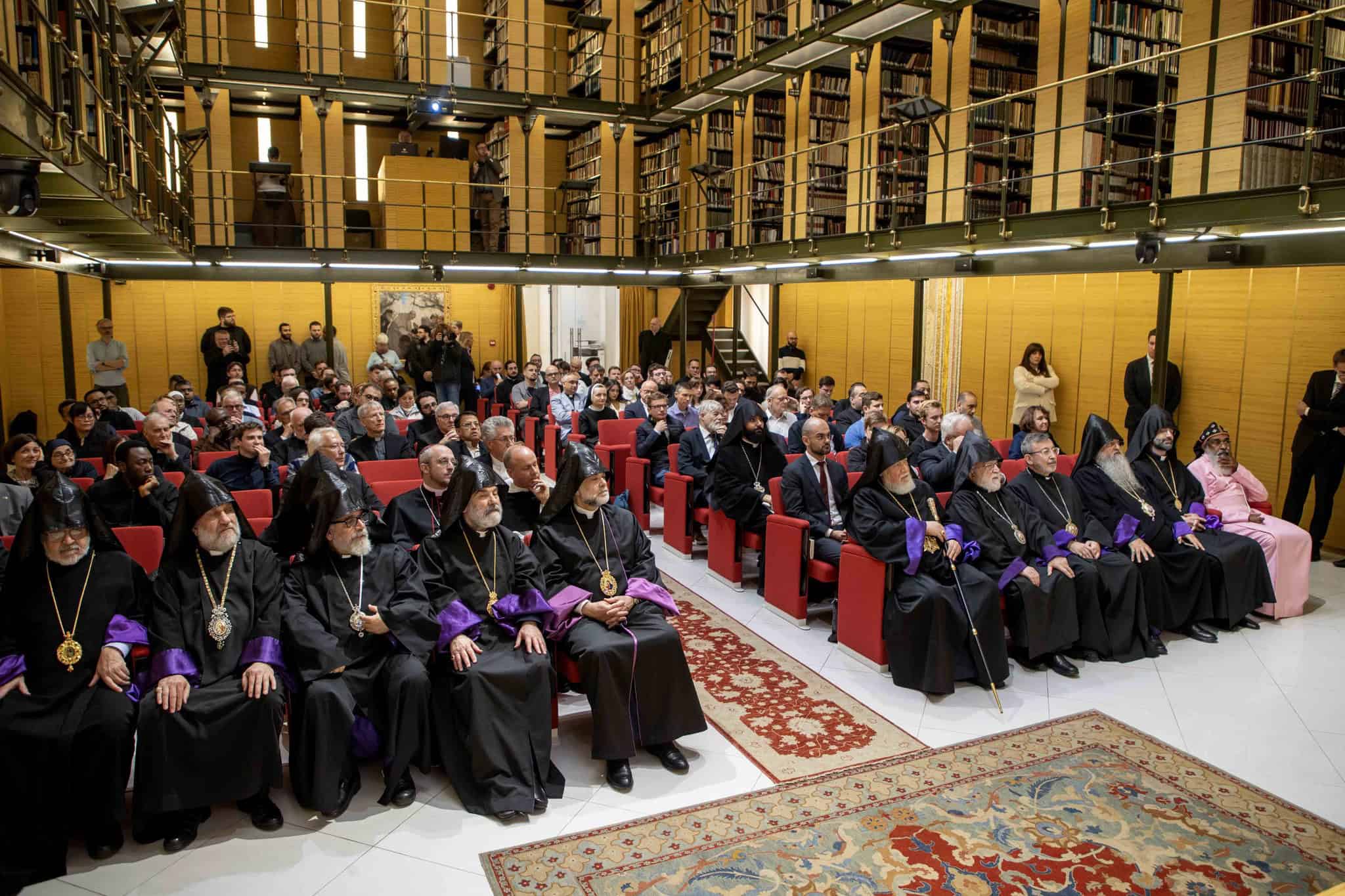
He emphasized that a common celebration of Easter is an urgent necessity to give visible expression to Christian unity. In addition to it, he identified education and diakonia as two vital dimensions of the Church’s missionary engagement.
Among his conclusions, he highlighted the need for active engagement between Christians and Muslims, sharing the “same joy and pain, achievements and crises,” and “responsibly committing themselves to nation-building.”
He urged Christians in the West to look at Middle Eastern Christianity not as a remnant of the past, but as organized and active communities and a bridge between East and West.
He also called on the diasporas of Middle Eastern Christian communities to articulate a more tangible commitment to their homelands and mother churches.