

News
ONE NATION UNDER GOD AT 250

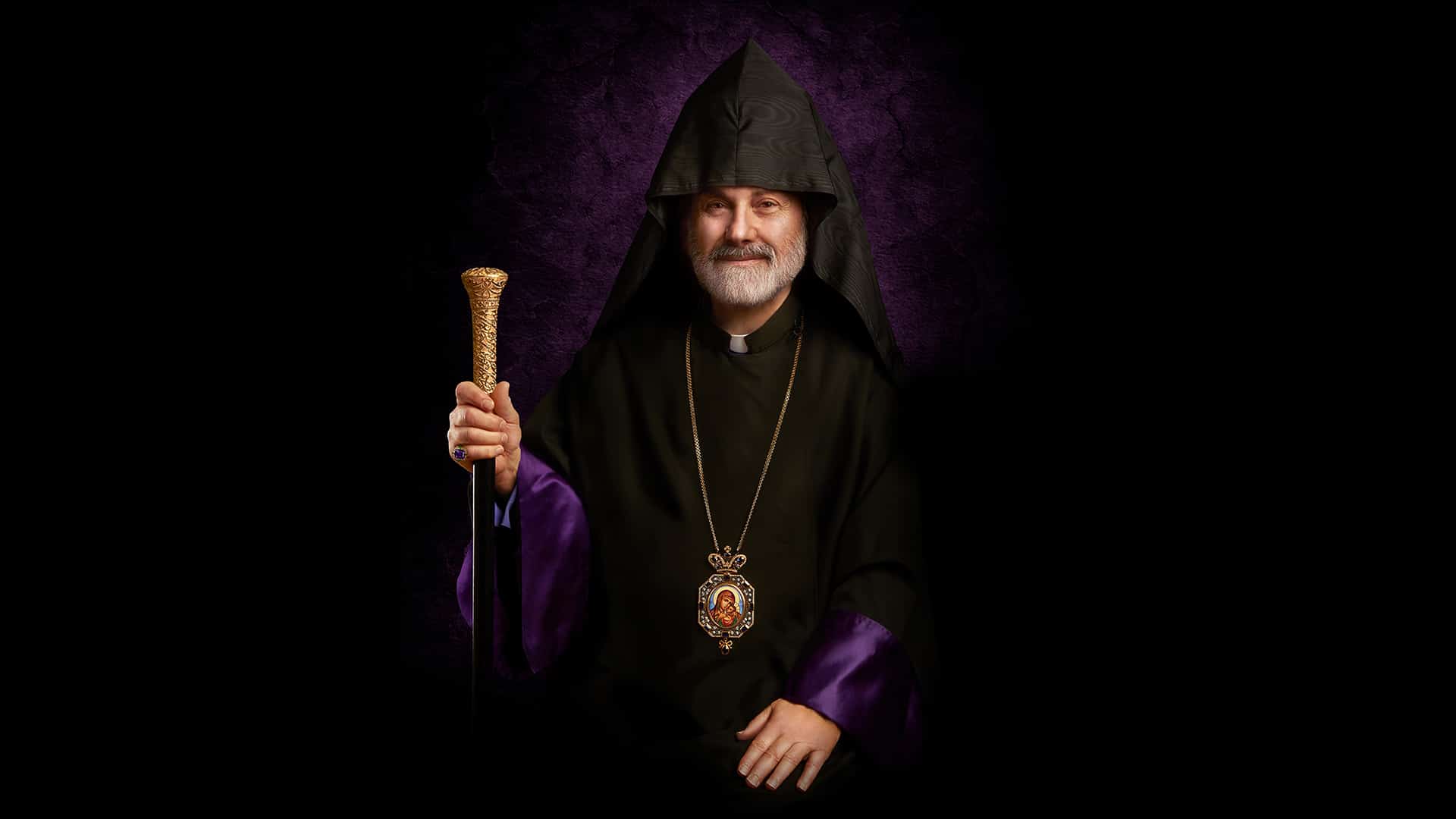
A short speech by Abraham Lincoln has become a historical referent and can be said to be a foundational text of the modern United States. His Gettysburg Address is memorable from the first line to the last: at fewer than three hundred words, it was shorter than most news pieces we hurriedly read every day.
Yet it is the last words that are etched in our individual and collective memory: “this nation, under God, shall have a new birth of freedom—and that government of the people, by the people, for the people, shall not perish from the earth.”
Today the Battle of Gettysburg in 1863 is remembered as much for Lincoln’s speech as for its military significance. Commending the heroism of the fallen, President Lincoln had famously said: “The world will little note, nor long remember what we say here, but it can never forget what they did here.”
Indeed, the opposite has been true. As Senator Charles Sumner observed only two years later, in 1865, “The world noted at once what he said, and will never cease to remember it.” In Sumner’s words, “The battle itself was less important than the speech.”
While his statement that the battle was less important than the speech is debatable, Senator Sumner’s assessment of the enduring significance of the Gettysburg Address still holds true. More importantly, President Lincoln, at that painful time for a country that had not yet reached its centennial and was deciding by force of arms what course the nation organized by the Founding Fathers would take, had the providential foresight to envision the America we live in today 250 years after the first, seminal Fourth of July, a country reborn in freedom, with a government of the people, by the people, and for the people.
The Gettysburg Address also helped shape the language through which Americans have come to understand their nation as “one nation under God,” a phrase later incorporated into the Pledge of Allegiance. How could words best summarize the magnificent conception of this incredibly rich and diverse, ever renewing nation, under Divine Providence?
Perhaps we can sense an echo of Matthew 22:21 in the spirit of these words: “Render therefore to Caesar the things that are Caesar’s, and to God the things that are God’s.” One extraordinary attribute of the great American nation is how remarkably both spheres have coexisted and contributed to a mutually enriching environment, making the United States a fiercely free and profoundly faithful nation at the same time. As St. John Chrysostom had said in his interpretation of Matthew’s verse, what is rendered to Caesar—in this case, the government—should not come at the expense of piety.
And it is precisely in that fine balance that the extraordinary American experiment lies, one that, under the caring gaze of our Lord, turns 250. May God bless America every day it is reborn in freedom.
ARCHBISHOP ANOUSHAVAN
Prelate